AIIMS (Delhi, India)
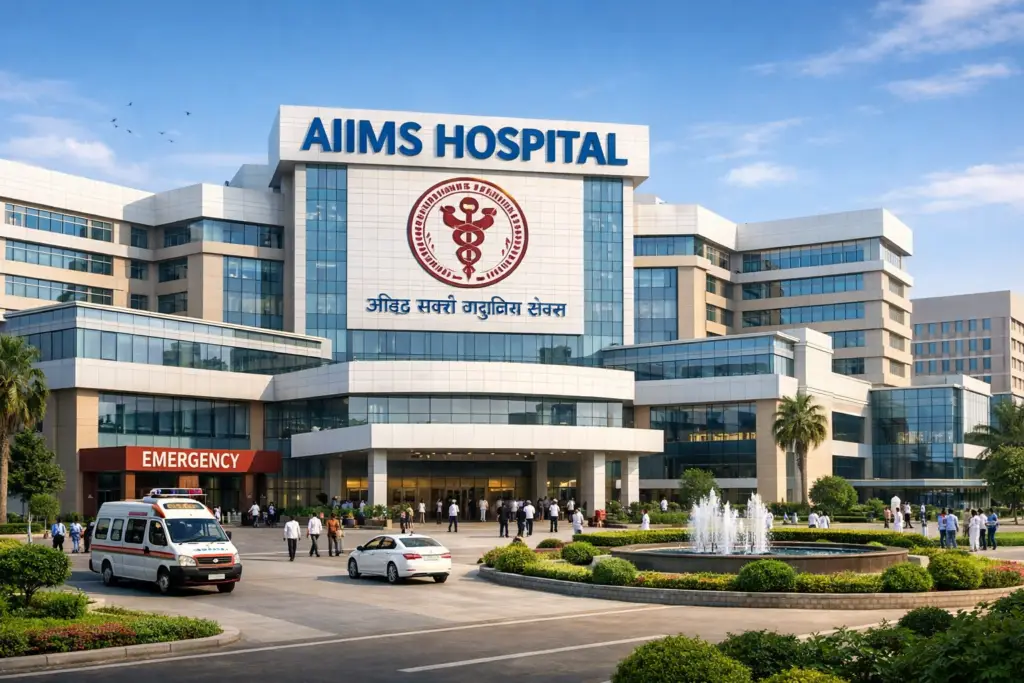
AIIMS (New Delhi, India): The Flagship Medical Institution Transforming Healthcare in India
AIIMS New Delhi: India's Most Prestigious Medical Institution
When people think of the best hospitals in India, All India Institute of Medical Sciences (AIIMS), New Delhi is often the first name that comes to mind. Established to provide world-class healthcare, promote medical research, and train future healthcare professionals, AIIMS New Delhi has become one of Asia’s most respected medical institutions.
Every year, millions of patients from different parts of India and abroad visit AIIMS seeking specialized medical care. The institute is recognized for its experienced doctors, advanced medical technology, affordable treatment, and significant contributions to medical science.
Unlike many hospitals that focus only on patient treatment, AIIMS integrates clinical care, education, innovation, and research under one institution, making it a benchmark for healthcare excellence.
Overview of AIIMS New Delhi
AIIMS New Delhi is an autonomous public medical university and hospital operating under the Ministry of Health and Family Welfare, Government of India. Since its establishment in 1956, the institute has played a vital role in improving healthcare standards across the country.
The campus houses multiple specialty centers, research laboratories, teaching departments, trauma services, and highly specialized treatment units. AIIMS also serves as a referral center for complex medical cases that require multidisciplinary expertise.
Its commitment to affordable healthcare allows patients from every economic background to receive quality treatment without compromising medical standards.
A Rich History of Medical Excellence
AIIMS New Delhi was founded through an Act of Parliament with the vision of creating a center of excellence in medical education and healthcare.
Over the decades, the institute has continuously expanded its infrastructure, introduced modern treatment techniques, and established advanced research programs. It has also played a major role in shaping India’s healthcare policies and medical education system.
Today, AIIMS graduates are respected worldwide, and many hold leadership positions in hospitals, universities, and research institutions across the globe.
Centers of Excellence
AIIMS New Delhi operates several highly specialized centers that focus on advanced diagnosis, treatment, and research.
Some of the major specialty centers include:
- Cardiology and Cardiothoracic Surgery
- Neurosciences Centre
- Dr. Rajendra Prasad Centre for Ophthalmic Sciences
- National Cancer Care facilities
- Institute Rotary Cancer Hospital
- Organ Transplant Programs
- Trauma Centre
- Gastroenterology
- Nephrology
- Endocrinology
- Pulmonology
- Orthopaedics
- Pediatrics
- Obstetrics & Gynecology
- Dermatology
- Psychiatry
- Emergency and Critical Care Medicine
Each department works closely with other specialties to provide comprehensive treatment for patients with complex medical conditions.
Advanced Medical Technology
AIIMS New Delhi continuously upgrades its medical infrastructure to support accurate diagnosis and effective treatment.
The hospital is equipped with advanced technologies including:
- High-resolution MRI and CT imaging
- PET-CT scanning
- Digital pathology laboratories
- Robotic-assisted surgical systems
- Advanced radiation therapy equipment
- Modern intensive care units
- Hybrid operation theatres
- High-end endoscopy systems
- Molecular diagnostic laboratories
- Organ transplant support technologies
These technologies help doctors diagnose diseases earlier and provide personalized treatment plans.
Comprehensive Healthcare Services
AIIMS provides healthcare across nearly every medical specialty.
Major healthcare services include:
- Preventive healthcare
- Outpatient consultations
- Inpatient treatment
- Emergency medical services
- Trauma care
- Organ transplantation
- Cancer diagnosis and treatment
- Heart surgeries
- Brain and spine surgeries
- Kidney disease management
- Maternal and child healthcare
- Infectious disease treatment
- Rehabilitation services
- Mental health care
- Preventive screening programs
This integrated healthcare model ensures that patients receive complete care under one institution.
Medical Education and Training
One of AIIMS New Delhi’s greatest strengths is its contribution to medical education.
The institute offers:
- MBBS
- MD
- MS
- DM
- MCh
- Nursing programs
- Allied health sciences
- PhD programs
- Super-specialty training
- Continuing Medical Education (CME)
Students receive extensive clinical exposure while learning from some of India’s leading medical experts.
AIIMS has produced thousands of highly skilled doctors, surgeons, researchers, and healthcare professionals who contribute to healthcare systems worldwide.
Why AIIMS New Delhi Stands Apart
Several factors make AIIMS New Delhi one of the world's most respected public hospitals:
- Highly experienced specialists
- Affordable treatment costs
- Evidence-based clinical practice
- Cutting-edge medical research
- Advanced infrastructure
- Comprehensive specialty care
- High patient trust
- Strong academic reputation
- National referral center for complex diseases
- Continuous medical innovation
This combination of excellence in patient care, education, and research has helped AIIMS maintain its reputation as India’s premier healthcare institution.
Research, Innovation, and Medical Discoveries
AIIMS New Delhi is widely recognized for its contributions to medical research. Scientists, clinicians, and researchers work together to develop better diagnostic methods, improve treatment protocols, and address major public health challenges. The institute regularly publishes research in respected international medical journals and collaborates with healthcare organizations around the world.
Research areas include:
- Cancer and precision medicine
- Cardiovascular diseases
- Neuroscience
- Infectious diseases
- Diabetes and metabolic disorders
- Organ transplantation
- Public health and epidemiology
- Artificial intelligence in healthcare
Through continuous innovation, AIIMS helps shape the future of medicine in India and beyond.
International Patient Services
Although AIIMS primarily serves patients from across India, it also receives international patients seeking specialized treatment. The hospital offers access to expert multidisciplinary teams and advanced diagnostic facilities for a wide range of complex medical conditions.
International patients are encouraged to complete the necessary registration and medical documentation before their visit to help streamline the consultation process.
Awards, Recognition, and Reputation
Over the decades, AIIMS New Delhi has earned an outstanding reputation for excellence in healthcare, education, and research. It is consistently regarded as one of India’s leading medical institutions and has trained generations of doctors, surgeons, scientists, and healthcare professionals.
Its reputation is built on:
- Exceptional patient care
- High academic standards
- Strong research output
- Skilled medical faculty
- Modern healthcare infrastructure
- Commitment to affordable healthcare
Frequently Asked Questions (FAQs)
1. What is AIIMS New Delhi famous for?
AIIMS New Delhi is renowned for advanced healthcare, medical education, research, and affordable treatment across numerous specialties.
2. Is AIIMS New Delhi a government hospital?
Yes. AIIMS New Delhi is an autonomous public medical institution under the Government of India.
3. Does AIIMS treat international patients?
Yes. International patients can receive treatment after completing the required registration procedures and medical documentation.
4. Which specialties are most popular at AIIMS?
Cardiology, Neurology, Oncology, Gastroenterology, Organ Transplantation, Orthopaedics, Pediatrics, Trauma Care, and Ophthalmology are among its leading specialties.
5. Why is AIIMS considered one of India’s best hospitals?
Its experienced specialists, advanced medical technology, high-quality research, comprehensive patient care, and affordable services have made it one of India’s most respected healthcare institutions.
Conclusion
AIIMS New Delhi represents the highest standards of public healthcare in India. Its combination of expert medical professionals, advanced technology, pioneering research, and commitment to affordable treatment has made it a trusted destination for millions of patients. As it continues to innovate and expand its capabilities, AIIMS remains a symbol of excellence in medical care, education, and scientific advancement.
Click Here ➜Johns Hopkins Medicine (Baltimore, USA)
Click Here ➜Mayo Clinic Health System (Rochester, USA)
Click Here ➜Stanford University Medical Center (Stanford, USA)
Click Here ➜Mass General Brigham (Boston, USA)
Click Here ➜Oxford University Hospital (Oxford, UK)