Johns Hopkins Medicine (Baltimore, USA)
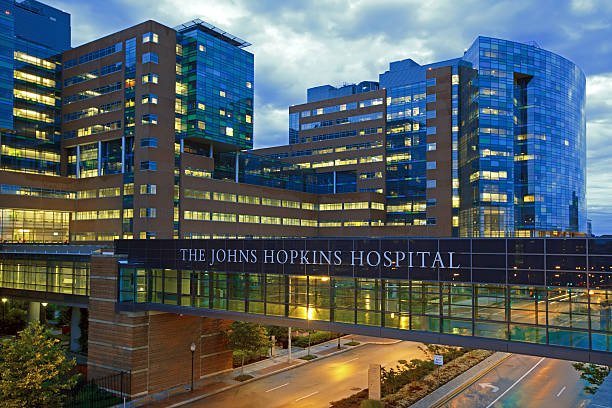
Johns Hopkins Medicine (Baltimore, USA): A Global Leader in Healthcare, Innovation, and Medical Excellence
When discussing the world’s finest healthcare institutions, Johns Hopkins Medicine consistently stands among the most respected names. Located in Baltimore, Maryland, USA, this internationally renowned medical center has built its reputation through groundbreaking research, exceptional patient care, advanced medical education, and continuous innovation. Every year, patients from across the United States and around the world travel to Johns Hopkins seeking expert treatment for complex and life-threatening medical conditions.
Unlike many hospitals that focus solely on clinical care, Johns Hopkins Medicine combines world-class healthcare with scientific research and physician training. This integrated approach has enabled the institution to influence modern medicine for more than a century while improving healthcare standards worldwide.
The Legacy of Johns Hopkins MedicineText Here
ohns Hopkins Medicine traces its origins back to the vision of philanthropist Johns Hopkins, whose generous endowment helped establish one of America’s most influential medical institutions. The hospital officially opened in 1889, followed by the Johns Hopkins University School of Medicine, which transformed medical education by emphasizing scientific research alongside clinical practice.
From the beginning, the institution challenged traditional healthcare methods by encouraging physicians to combine laboratory discoveries with patient treatment. This philosophy remains one of the defining characteristics of Johns Hopkins Medicine today.
Over the decades, the institution has expanded into a comprehensive academic health system that includes hospitals, outpatient centers, specialty clinics, research facilities, and educational programs. It continues to set international standards in healthcare delivery and biomedical innovation.
Why Johns Hopkins Medicine Is Recognized Worldwide
One of the primary reasons behind Johns Hopkins Medicine’s global reputation is its commitment to evidence-based medicine. Physicians, surgeons, researchers, and healthcare professionals work collaboratively to create personalized treatment plans tailored to each patient’s medical condition.
Rather than relying on a single specialist, many patients benefit from multidisciplinary teams where experts from multiple departments evaluate complex cases together. This collaborative model improves diagnostic accuracy, treatment effectiveness, and long-term patient outcomes.
International patients also appreciate the hospital’s dedicated services that simplify medical travel, appointment scheduling, interpretation assistance, and treatment coordination.
Comprehensive Medical Specialties
Johns Hopkins Medicine provides highly specialized healthcare across nearly every major field of medicine. Patients receive advanced diagnosis, treatment, rehabilitation, and long-term follow-up care using state-of-the-art medical technology.
Some of its leading specialties include:
- Cancer care and oncology
- Cardiology and heart surgery
- Neurology and neurosurgery
- Orthopedic surgery
- Organ transplantation
- Pediatric medicine
- Women’s health
- Gastroenterology
- Urology
- Pulmonology
- Endocrinology
- Emergency medicine
- Infectious diseases
- Plastic and reconstructive surgery
Because of this broad range of expertise, many difficult cases that cannot be treated elsewhere are referred to Johns Hopkins Medicine.
Excellence in Cancer Treatment
Cancer treatment remains one of the institution’s strongest areas of expertise. Patients receive personalized treatment plans developed by teams consisting of medical oncologists, radiation oncologists, surgical oncologists, pathologists, radiologists, and supportive care specialists.
Modern cancer therapies available at Johns Hopkins may include:
- Precision medicine
- Immunotherapy
- Targeted therapy
- Advanced radiation techniques
- Robotic cancer surgery
- Clinical trials
- Personalized chemotherapy plans
Researchers continue investigating new therapies that may improve survival rates while minimizing treatment side effects.
Advanced Cardiovascular Care
Heart disease continues to be one of the leading causes of death worldwide, making advanced cardiovascular care essential. Johns Hopkins Medicine provides comprehensive diagnosis and treatment for patients with both common and highly complex heart conditions.
Its cardiovascular services include:
- Coronary artery disease treatment
- Heart failure management
- Valve replacement procedures
- Arrhythmia treatment
- Congenital heart disease care
- Minimally invasive cardiac surgery
- Preventive cardiology
Patients benefit from sophisticated imaging technologies, experienced cardiac surgeons, and multidisciplinary rehabilitation programs designed to support recovery after treatment.
Leadership in Neurology and Neurosurgery
The Department of Neurology and Neurosurgery is internationally recognized for treating disorders affecting the brain, spine, and nervous system.
Conditions commonly treated include:
- Brain tumors
- Stroke
- Parkinson’s disease
- Epilepsy
- Multiple sclerosis
- Alzheimer’s disease
- Spinal disorders
- Movement disorders
Advanced neuroimaging, minimally invasive surgical techniques, and personalized rehabilitation programs help improve both survival and quality of life for patients with neurological conditions.
Innovation Through Medical Research
Research remains one of the most important pillars of Johns Hopkins Medicine. Scientists, physicians, engineers, and healthcare professionals collaborate to discover better methods for diagnosing, preventing, and treating diseases.
Research activities cover numerous fields, including:
- Cancer biology
- Genetics
- Artificial intelligence in healthcare
- Precision medicine
- Vaccine development
- Biomedical engineering
- Neuroscience
- Cardiovascular science
- Infectious diseases
Many innovations developed through Johns Hopkins research have influenced medical practice across the globe, making the institution one of the world’s leading centers for biomedical discovery.
Cutting-Edge Medical Technology
One of the defining strengths of Johns Hopkins Medicine is its investment in advanced healthcare technology. Modern medical equipment allows physicians to diagnose diseases earlier, perform highly precise surgeries, and monitor patients more effectively throughout their treatment journey.
Some of the technologies commonly used include:
- Robotic-assisted surgical systems
- High-resolution MRI and CT imaging
- PET scanning for cancer diagnosis
- Hybrid operating rooms
- Artificial intelligence-assisted diagnostics
- Image-guided surgical navigation
- Advanced radiation therapy systems
- Digital pathology and laboratory automation
These innovations help reduce surgical risks, improve treatment accuracy, shorten recovery times, and enhance the overall patient experience.
Organ Transplant Program
Johns Hopkins Medicine has earned worldwide recognition for its expertise in organ transplantation. Its transplant specialists manage highly complex procedures while providing long-term care before and after surgery.
Major transplant services include:
- Kidney transplantation
- Liver transplantation
- Pancreas transplantation
- Heart transplantation
- Lung transplantation
- Living donor transplantation
The hospital’s transplant teams include surgeons, physicians, nurses, pharmacists, nutritionists, psychologists, and rehabilitation experts who work together to support every stage of recovery.
Education That Shapes Future Physicians
Johns Hopkins is not only a hospital but also one of the world’s leading academic medical institutions. The Johns Hopkins University School of Medicine has educated generations of physicians, surgeons, scientists, and healthcare leaders who have made significant contributions to medicine.
Medical students receive extensive clinical training while learning directly from experienced specialists and researchers. This close connection between education and patient care ensures that future doctors develop strong scientific knowledge alongside practical clinical skills.
International Patient Services
Every year, thousands of international patients choose Johns Hopkins Medicine for specialized treatment. The hospital provides dedicated services to make the medical journey smoother for patients traveling from abroad.
These services include:
- Appointment coordination
- Medical record review
- Cost estimates
- Interpreter assistance
- Travel guidance
- Accommodation support
- Visa documentation assistance
- Follow-up care coordination
This comprehensive support allows international patients to focus on their treatment while receiving assistance with logistical and administrative needs.
Commitment to Patient Safety
Patient safety is one of the highest priorities at Johns Hopkins Medicine. Strict quality-control systems, evidence-based clinical protocols, and continuous staff training help reduce medical errors and improve treatment outcomes.
Safety initiatives include:
- Infection prevention programs
- Medication safety monitoring
- Surgical safety checklists
- Electronic health record integration
- Continuous quality improvement
- Patient education programs
- Multidisciplinary case reviews
By maintaining high clinical standards, the institution continues to build trust among patients from around the world.
Research That Changes Global Healthcare
The impact of Johns Hopkins Medicine extends far beyond Baltimore. Research conducted at the institution has influenced healthcare policies, treatment guidelines, and medical innovations across numerous countries.
Scientists continue investigating solutions for major global health challenges, including:
- Cancer prevention
- Heart disease
- Diabetes
- Alzheimer’s disease
- Rare genetic disorders
- Infectious diseases
- Public health emergencies
- Personalized medicine
Many groundbreaking discoveries developed here have become standard medical practices adopted by hospitals worldwide.
Why Patients Choose Johns Hopkins Medicine
Patients often select Johns Hopkins because of its combination of medical expertise, advanced technology, and research-driven care.
Key reasons include:
- Internationally recognized specialists
- Comprehensive multidisciplinary care
- Advanced surgical expertise
- Modern diagnostic facilities
- Strong research foundation
- Personalized treatment plans
- Excellent patient safety standards
- Comprehensive rehabilitation services
- Global reputation for medical excellence
This patient-focused approach has helped the institution maintain its status as one of the world’s most respected healthcare organizations.
Conclusion
Johns Hopkins Medicine represents the highest standards of modern healthcare by combining exceptional clinical expertise, pioneering medical research, advanced technology, and world-class education. From treating rare diseases and performing complex surgeries to developing innovative therapies that benefit patients worldwide, the institution continues to shape the future of medicine.
For individuals seeking specialized treatment, complex surgical care, or access to cutting-edge medical research, Johns Hopkins Medicine remains one of the most trusted and respected healthcare destinations in the world. Its long-standing commitment to innovation, compassionate care, and scientific excellence ensures that it will continue leading global healthcare for generations to come.
Click Here ➜Memorial Sloan Kettering Cancer Center (New York, NY)
Click Here ➜Gustave Roussy Institute (Villejuif)
Click Here ➜Guy’s & Saint Thomas NHS Foundation Trust
Click Here ➜Gustave Roussy Institute (Villejuif)
Click Here ➜Great Ormond Street Hospital for Children NHS Trust