NHS Lothian
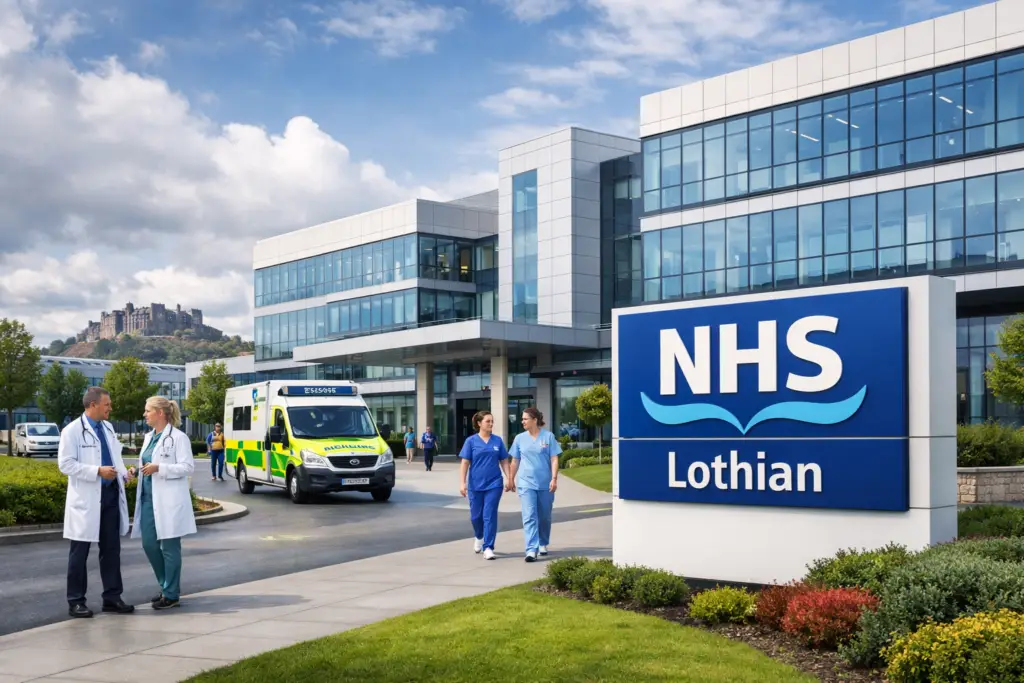
NHS Lothian: Transforming Healthcare Across Scotland's Capital Region
Healthcare is often judged not only by the quality of its hospitals but also by how effectively an entire health system serves its communities. In Scotland, NHS Lothian has become an excellent example of a regional healthcare organisation that combines advanced specialist medicine with accessible community-based services. Responsible for delivering care across Edinburgh and the surrounding Lothian region, the organisation supports a diverse population through an extensive network of hospitals, community health centres, mental health facilities, and primary care services.
Rather than operating as a single hospital, NHS Lothian functions as an integrated healthcare network where specialists, general practitioners, nurses, researchers, and allied health professionals work together to provide coordinated care. This collaborative approach allows patients to receive everything from routine check-ups to highly specialised treatments within one healthcare system.
Its commitment to innovation, education, research, and continuous service improvement has established NHS Lothian as one of Scotland’s most respected healthcare providers, while its teaching hospitals continue to influence medical practice throughout the United Kingdom.
Understanding NHS Lothian's Role in Scotland's Healthcare System
Unlike an independent medical centre, NHS Lothian oversees healthcare delivery across an entire geographical region. Its responsibilities extend far beyond hospital walls, encompassing preventive healthcare, emergency medicine, specialist treatment, rehabilitation, mental health support, maternity care, and long-term disease management.
This integrated model enables healthcare professionals from different specialties to collaborate efficiently, ensuring patients experience smoother referrals, better continuity of care, and improved clinical outcomes.
Key responsibilities include:
- Acute hospital services
- Emergency and trauma care
- Community healthcare programmes
- Mental health services
- Primary care coordination
- Public health initiatives
- Medical education and workforce development
- Clinical research and innovation
By combining these services under one organisation, NHS Lothian helps maintain consistent standards of care across the region.
Major Hospitals Within NHS Lothian
One of NHS Lothian’s greatest strengths is its network of hospitals, each providing specialist expertise while working together as part of a coordinated healthcare system.
Royal Infirmary of Edinburgh
As one of Scotland’s principal teaching hospitals, the Royal Infirmary provides advanced medical and surgical care across numerous specialties. It serves as a major centre for emergency medicine, trauma care, critical care, cardiovascular services, and organ transplantation.
The hospital also supports extensive clinical research and specialist training, making it an important contributor to Scotland’s healthcare system.
Western General Hospital
Western General Hospital is recognised for its expertise in cancer treatment, renal medicine, respiratory diseases, infectious diseases, and diagnostic services. The hospital also houses specialist centres that contribute significantly to clinical research and advanced patient care.
Its multidisciplinary approach allows consultants from different specialties to work together on complex cases requiring coordinated treatment plans.
St John's Hospital
Located in West Lothian, St John’s Hospital provides comprehensive acute healthcare closer to local communities. Services include emergency care, maternity, surgery, orthopaedics, diagnostics, and outpatient clinics.
Its role within NHS Lothian helps reduce travel times for patients while ensuring access to high-quality specialist care.
Royal Hospital for Children and Young People
Dedicated entirely to paediatric healthcare, this hospital offers specialised medical, surgical, and mental health services for infants, children, and adolescents.
Experienced multidisciplinary teams focus on family-centred care, recognising the importance of involving parents and caregivers throughout treatment.
Clinical Excellence Across Multiple Specialties
NHS Lothian delivers healthcare across a broad spectrum of medical disciplines, ensuring patients can access specialist expertise regardless of the complexity of their condition.
Cardiovascular Medicine
Cardiology services include prevention, diagnosis, treatment, and long-term management of cardiovascular diseases.
Specialist teams provide care for:
- Coronary artery disease
- Heart rhythm disorders
- Heart failure
- Congenital heart conditions
- Hypertension
- Preventive cardiology
- Cardiac imaging
- Cardiac rehabilitation
Advanced diagnostic technology enables earlier detection while multidisciplinary treatment planning supports improved patient outcomes.
Cancer Services
Cancer care within NHS Lothian is built around collaboration between oncologists, surgeons, radiologists, pathologists, specialist nurses, pharmacists, and rehabilitation experts.
Comprehensive services include:
- Early diagnosis
- Medical oncology
- Surgical oncology
- Haematology
- Radiation therapy partnerships
- Personalised treatment planning
- Survivorship programmes
- Supportive and palliative care
Every patient’s treatment pathway is tailored to their clinical needs, helping ensure evidence-based and compassionate care throughout the cancer journey.
Emergency Medicine and Trauma Care
Emergency departments across NHS Lothian remain prepared to manage a wide range of urgent medical conditions every day.
Common emergency services include:
- Major trauma management
- Stroke response
- Cardiac emergencies
- Severe infections
- Respiratory emergencies
- Emergency surgery
- Critical care stabilisation
- Emergency diagnostic imaging
Rapid assessment protocols and coordinated specialist teams help ensure that patients receive timely interventions when every minute matters.
Neurosciences and Neurology
NHS Lothian also provides highly specialised neurological care for patients with disorders affecting the brain, spinal cord, and nervous system.
Services cover:
- Stroke management
- Epilepsy care
- Parkinson’s disease
- Multiple sclerosis
- Brain tumour pathways
- Neurorehabilitation
- Neurosurgical support
- Diagnostic neurophysiology
Close collaboration between neurologists, neurosurgeons, rehabilitation specialists, and therapists enables patients to benefit from integrated long-term care.
Click Here ➜Guy’s & Saint Thomas NHS Foundation Trust
Click Here ➜Royal Free London NHS Foundation Trust
Click Here ➜Barts and the London NHS Trust
Click Here ➜Cedars-Sinai Medical Center (Los Angeles, CA)
Click Here ➜Memorial Sloan Kettering Cancer Center (New York, NY)
Advancing Clinical Research Through Continuous Innovation
Medical research has become one of the defining strengths of NHS Lothian. Rather than limiting innovation to laboratories, the organisation integrates research into everyday clinical practice, allowing healthcare professionals to translate scientific discoveries into real-world patient care.
Researchers, consultants, specialist nurses, pharmacists, and academic partners work collaboratively to investigate new approaches for diagnosing diseases, improving treatments, and enhancing long-term patient outcomes. This close relationship between research and clinical services ensures that many patients benefit from evidence-based care supported by the latest medical knowledge.
Research priorities include:
- Cardiovascular diseases
- Cancer prevention and treatment
- Neurological disorders
- Diabetes and metabolic diseases
- Infectious diseases
- Respiratory medicine
- Women’s and children’s health
- Public health and population medicine
Clinical research also contributes to national and international healthcare improvements by supporting new therapies, medical technologies, and healthcare policies.
Building the Next Generation of Healthcare Professionals
Education remains a fundamental part of NHS Lothian’s mission. As one of Scotland’s leading teaching healthcare organisations, it provides practical learning opportunities for thousands of future healthcare professionals every year.
Students gain supervised clinical experience while working alongside highly experienced consultants and multidisciplinary teams. This combination of academic learning and real-world practice helps prepare graduates for modern healthcare environments.
Professional development programmes support:
- Medical students
- Junior doctors
- Nursing students
- Pharmacists
- Physiotherapists
- Occupational therapists
- Radiographers
- Allied health professionals
Continuous education ensures that healthcare professionals remain up to date with evolving clinical guidelines, medical technologies, and patient safety standards.
Digital Transformation Improving Everyday Healthcare
Modern healthcare increasingly depends on technology, and NHS Lothian continues to expand its digital capabilities to improve efficiency, accessibility, and patient outcomes..
Digital healthcare initiatives help reduce administrative delays while allowing clinicians to make faster and more informed decisions.
Examples include:
- Electronic health records
- Digital diagnostic imaging
- Secure information sharing
- Virtual outpatient consultations
- Digital appointment management
- Remote patient monitoring
- Clinical decision-support systems
These innovations support safer, more coordinated, and patient-centred healthcare across the region.
Community Healthcare Beyond Hospital Walls
One of NHS Lothian’s distinguishing features is its strong commitment to community-based healthcare. Many services are designed to help patients receive appropriate care closer to home whenever possible.
Community teams work with patients living with chronic illnesses, mobility challenges, or long-term rehabilitation needs, reducing unnecessary hospital admissions while improving quality of life.
Community healthcare services include:
- District nursing
- Rehabilitation programmes
- Home healthcare support
- Chronic disease management
- Community mental health services
- Health promotion initiatives
- Preventive screening programmes
- Palliative and end-of-life care
This integrated approach strengthens continuity of care throughout every stage of a patient’s healthcare journey.
Mental Health Services Supporting Every Age Group
Mental wellbeing is recognised as an essential component of overall health. NHS Lothian provides a broad range of mental health services for children, adolescents, adults, and older people.
Specialist teams focus on early intervention, assessment, treatment, recovery, and ongoing support for individuals experiencing a wide range of mental health conditions.
Services include:
- Child and adolescent mental health
- Adult psychiatry
- Older adult mental healthcare
- Psychological therapies
- Crisis intervention
- Addiction support
- Community mental health teams
The organisation continues to promote integrated care that recognises both physical and mental health needs.
Patient Safety and Quality Improvement
Delivering safe healthcare requires continuous evaluation and improvement. NHS Lothian maintains comprehensive quality assurance programmes designed to enhance patient safety across every service.
Key priorities include:
- Infection prevention
- Medication safety
- Clinical governance
- Risk management
- Continuous staff training
- Patient feedback and experience
- Evidence-based clinical practice
Regular audits and performance reviews help identify opportunities for improvement while maintaining high standards of clinical care.
Sustainability and Future Healthcare
NHS Lothian is also working towards creating a more sustainable healthcare system. Environmental responsibility has become increasingly important as healthcare organisations seek to reduce their environmental impact while maintaining excellent patient services.
Current priorities include:
- Energy-efficient healthcare facilities
- Sustainable procurement
- Waste reduction initiatives
- Carbon emission reduction
- Environmentally responsible healthcare planning
These efforts aim to create a healthcare system that benefits both current and future generations.
Frequently Asked Questions
What is NHS Lothian?
NHS Lothian is one of Scotland’s regional NHS health boards, responsible for delivering hospital, community, mental health, and primary healthcare services across Edinburgh, East Lothian, Midlothian, and West Lothian.
Is NHS Lothian a single hospital?
No. It is a regional healthcare organisation that manages and coordinates healthcare services through multiple hospitals and community facilities.
Does NHS Lothian provide specialist healthcare?
Yes. It offers specialist services in areas such as cardiology, cancer care, neurology, emergency medicine, surgery, maternity care, paediatrics, and mental health.
Is NHS Lothian involved in medical research?
Yes. Research is an important part of the organisation, supporting advancements in clinical practice, patient care, and healthcare innovation.
Does NHS Lothian train healthcare professionals?
Yes. As a major teaching organisation, it provides education and clinical training for doctors, nurses, pharmacists, and other healthcare professionals.
Conclusion
Rather than being defined by a single hospital, NHS Lothian represents a comprehensive healthcare system that brings together specialist medicine, community services, education, and research under one organisation. Its integrated approach allows patients to benefit from coordinated care throughout every stage of life—from preventive health services and emergency treatment to complex specialist care and long-term rehabilitation.
By continuously investing in innovation, workforce development, digital healthcare, and patient safety, NHS Lothian continues to strengthen its role as one of Scotland’s most respected healthcare organisations. Its commitment to compassionate, evidence-based, and accessible healthcare makes it an important contributor to both regional and national health services.
One Comment
Pingback: